Our Partners







Combining science, aquaculture and community action
1. Understand what’s been lost
1. Understand what’s been lost
1. Understand what’s been lost

We map historic kelp forests as part of the Phillip Island kelp project to identify key areas for kelp forest restoration and support marine ecosystem recovery.
2. Mobilise the community
1. Understand what’s been lost
1. Understand what’s been lost
Through the Phillip Island kelp project, we build awareness, enhance skills, and promote long-term local stewardship for kelp forest restoration and marine ecosystem recovery.
3. Build the Mobile Kelp Nursery
A transportable system that produces thousands of kelp seedlings using aquaculture techniques is vital for kelp forest restoration and plays a significant role in marine ecosystem recovery, particularly in initiatives like the Phillip Island kelp project.
4. Restore and measure impact
We outplant kelp as part of the Phillip Island kelp project and track biodiversity, carbon, and marine ecosystem recovery over time.
Why Kelp Matters
Giant kelp forests are among the most productive ecosystems on Earth, crucial for marine ecosystem recovery. Along Victoria’s coast, these kelp forests have historically supported thriving marine life, fisheries, and coastal communities. However, they are currently classified as a Critically Endangered ecosystem in Australia. The good news is that, unlike many ecosystems in decline, we understand how to implement effective kelp forest restoration techniques.
The Island Kelp Recovery will:
Restore habitat for iconic marine species through effective kelp forest restoration,
Strengthen local fisheries and enhance biodiversity,
Support the resilience of coastal ecosystems,
Create a scalable model for kelp restoration initiatives across Australia.
Our Project brings together local people, businesses, artists, educators, students, scientists, and marine habitat recovery experts to deliver this exciting project, focused on kelp forest restoration and marine ecosystem recovery.

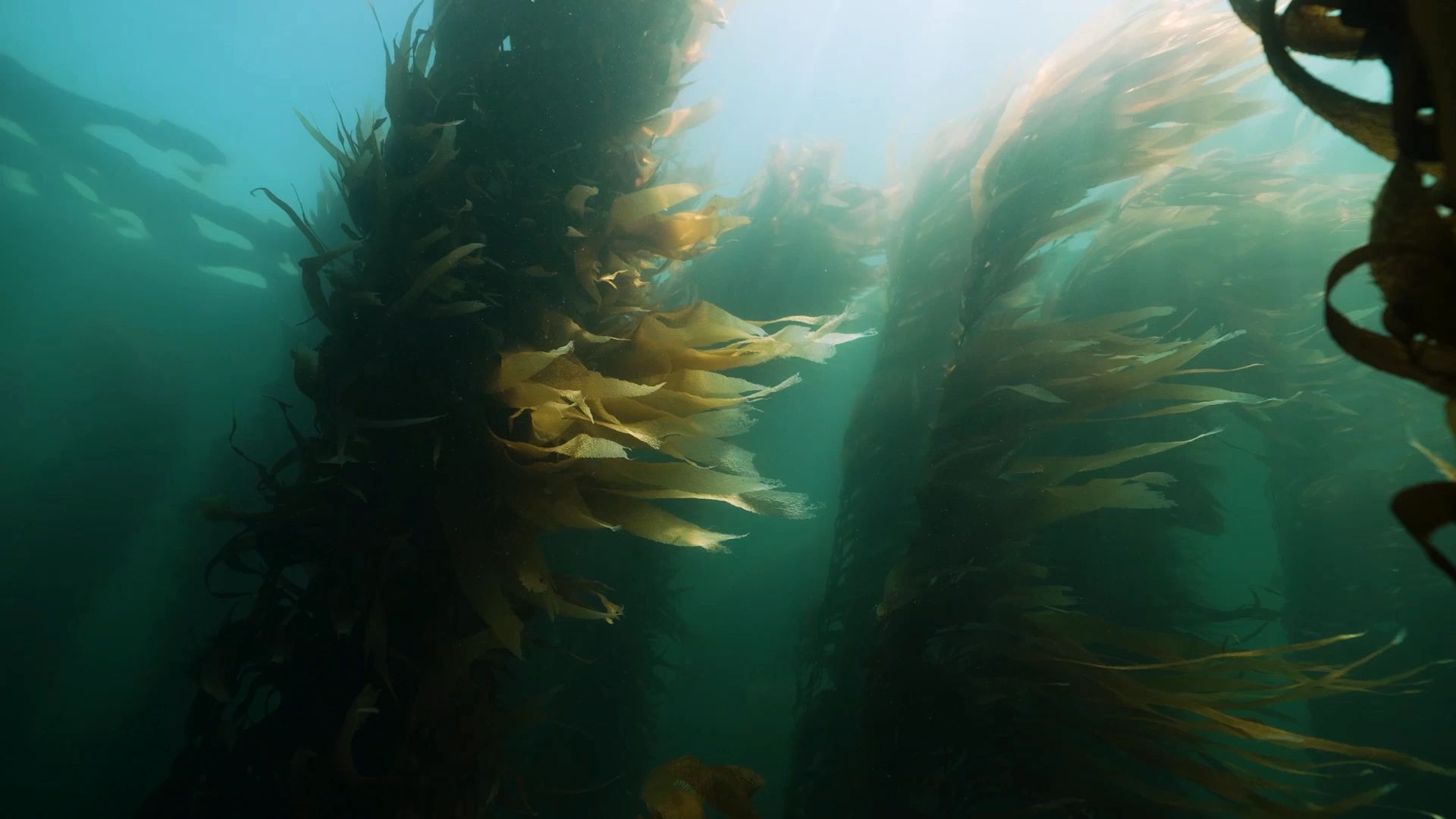
Fast-growing carbon stores, giant kelp forests play a crucial role in combating climate change. Initiatives like Island Kelp Recovery are vital for kelp forest restoration, contributing to marine ecosystem recovery.
Photo credit: Scott Ling
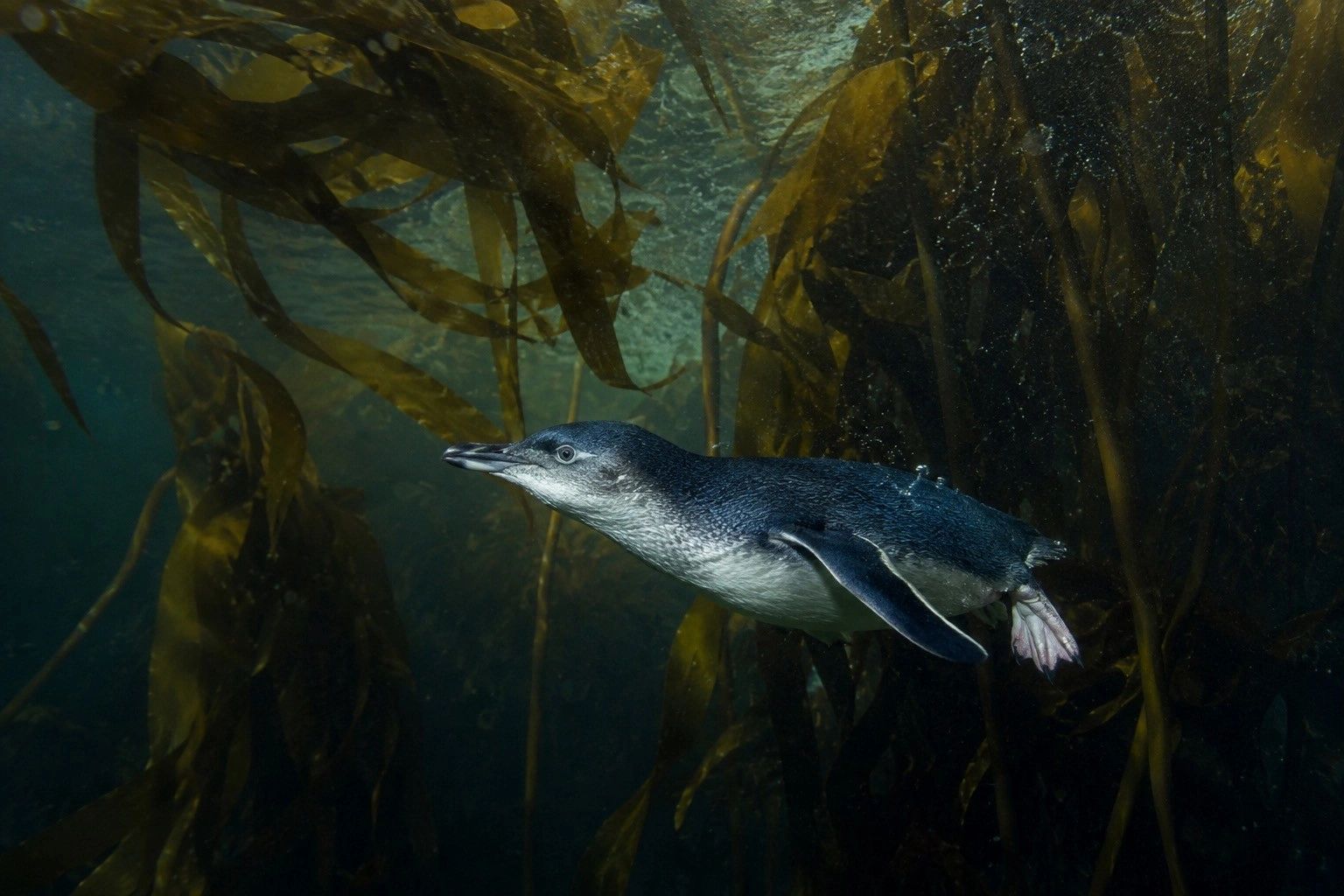
A golden opportunity to rebuild resilient habitats for our local marine wildlife, like the Little Penguins, Australian Fur Seal and others who are experiencing a range of pressures, including impacts of Avian Influenza.
Photo credit: Jarrod Boord, Streamline Media
Upcoming Events
Join us for upcoming events to learn more about the project and how you can help the kelp!
Island Kelp Recovery Project Launch
On stage at Tidal Seafood Festival,
San Remo Foreshore
1:00 pm Saturday 19th September 2026
The Kelp Lab
Pop up stall at the Tidal Seafood Festival, San Remo Foreshore. Meet founding project partners Rotary Phillip Island and San Remo and Offshore Biotechnologies, learn how to identify different local kelps, look kelp close-up under a microscope, learn how we're going to propagate and deploy kelplings.
All day Saturday 19th and Sunday 20th September 2026
Kelp and Community - Series 1
Open to all! An evening of stories, ideas and action to bring Giant Kelp back to Phillip Island and Bass Coast.
Wonthaggi - TBC
Cowes - TBC
Dates, venues and registration details to be announced soon